
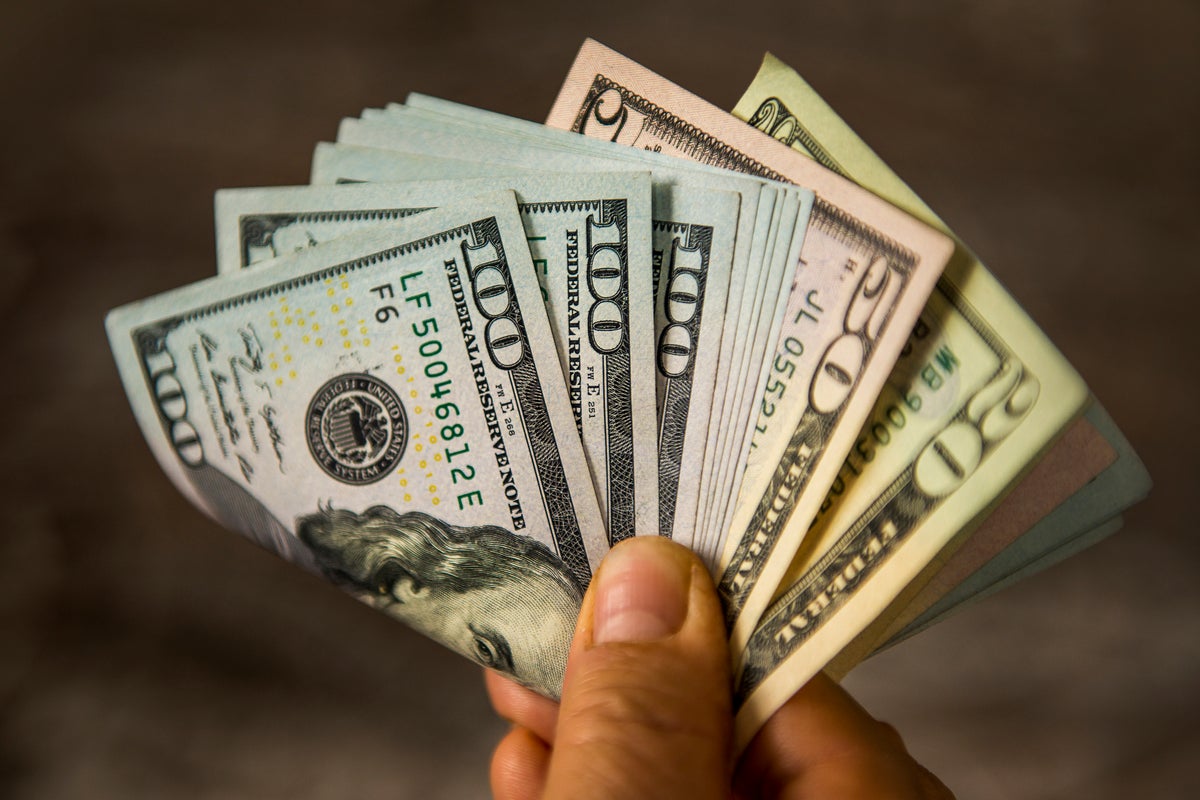
Earning around $100,000 will just qualify you as ‘lower-middle class’ in these 12 states, report says
-
- 2

A six-figure income isn’t what it used to be.
In 12 states, earning a salary of about $100,000 qualifies as lower-middle class, according to new research from fintech company MoneyLion.
In the top seven most high-earning states, ranked in descending order — Massachusetts, New Jersey, Maryland, Hawaii, California, New Hampshire and Washington — even an income well into six figures remains a lower-middle-class wage, the company found.
In Massachusetts, the single most high-earning state, people who make $116,476 can still technically be lower-middle class, MoneyLion found.
Colorado, Utah, Connecticut, Alaska and Virginia round out the list.
In Virginia, the lowest-income state in the analysis, people can earn around $102,000 annually and still qualify as lower-middle class.
The findings, released earlier this month, come as Americans express a sense of unease over the state of the economy.
Just 21 percent of Americans approve of President Trump’s handling of inflation, a recent Reuters/Ipsos poll found, a discontent help fueling an overall sour mood about the president.
Overall, 34 percent of Americans approve of Trump’s job as president, while a whopping 64 percent disapprove, the poll found, marking the lowest approval ratings of the Republican’s second term.
Meanwhile, more Americans are worried about their finances than they were during the economic devastation of the 2008 Great Recession, separate research has found.
About 55 percent of adults think that their financial situation is getting worse, according to a Gallup poll published Tuesday, which identified inflation, elevated costs of energy, housing, healthcare, college, transportation and childcare as drivers of the problem.
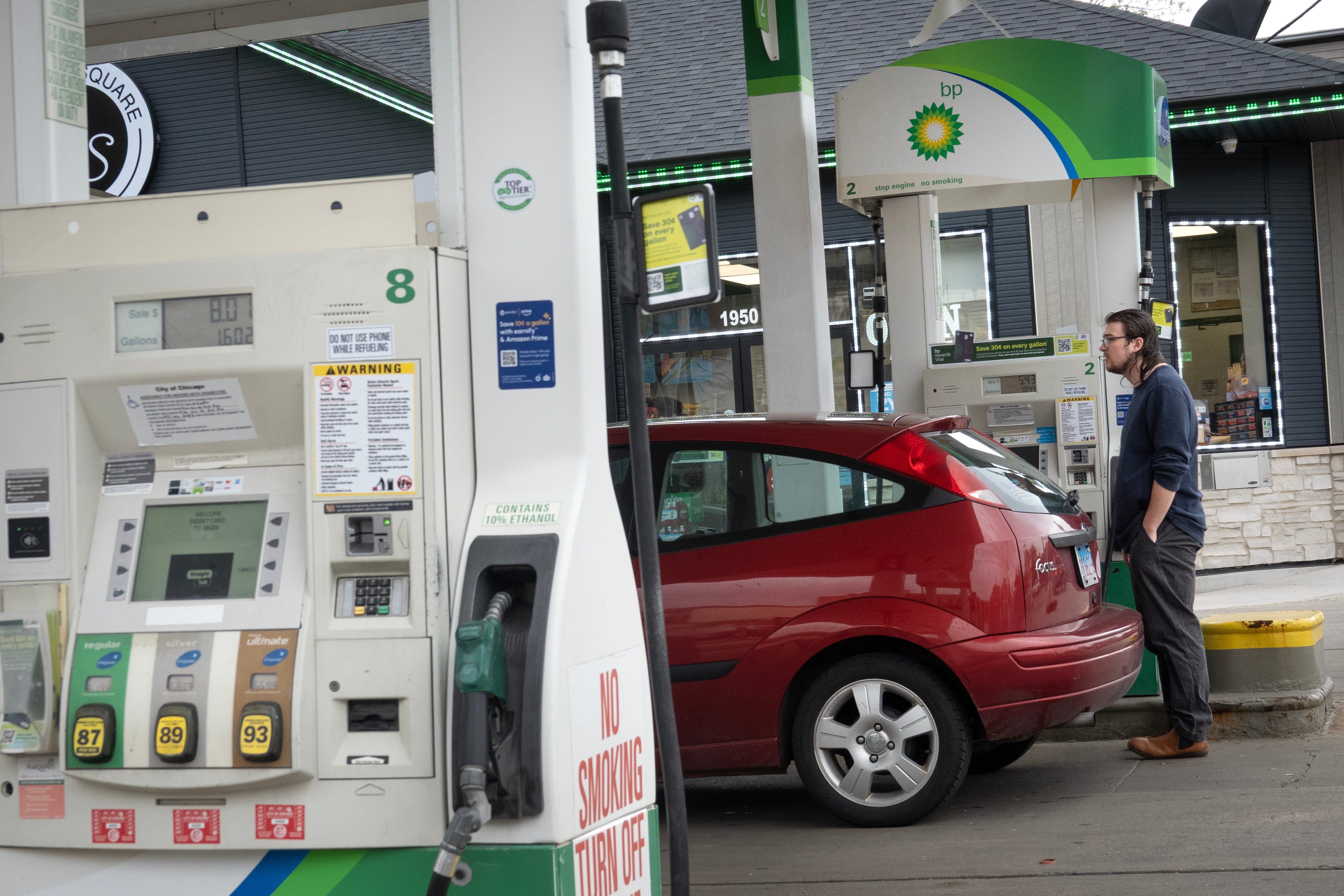
The U.S. war with Iran has driven up gas prices nationwide.
On Wednesday, the average price of a gallon of gasoline in the U.S. hit its highest level since the war began, with prices nearly hitting $4.23, according to AAA.
The president has brushed off the impact of these price spikes, at one point calling them “fake inflation.”
“The President brought oil and gas prices down to multi-year lows at record speed, and as traffic in the Strait of Hormuz normalizes, these energy prices will plummet once again,” assistant White House press secretary Olivia Wales told The Independent in a statement earlier today, after being asked about gas prices. “President Trump has always been clear that these are short-term, temporary disruptions. President Trump took decisive action to ensure that Iran can never have a nuclear weapon to threaten the United States, and Americans are already safer for it.”
