

Jamie Dimon to stay JPMorgan CEO for at least 3 more years as succession race shifts
-
- 1

Jamie Dimon, the influential chief executive of JPMorgan, is reportedly planning to remain at the helm for at least three more years, a decision that has prompted a significant leadership reshuffle and the retirement of a key potential successor.
The move comes as the largest U.S. bank works to establish a new succession plan, according to a source familiar with the matter.
The bank announced Thursday the elevation of insiders Doug Petno and Troy Rohrbaugh to co-presidents. Concurrently, senior executive Marianne Lake, widely considered a top contender for Dimon’s role, announced her retirement.

These leadership changes effectively narrow the field of potential successors to Dimon, who, after two decades leading the nation’s largest lender, wields unparalleled influence on Wall Street.
The question of Dimon’s eventual successor has long been one of corporate America’s most-discussed transition sagas, with timelines for his departure varying widely.
A source familiar with the matter indicated that Dimon would likely stay on as CEO for another three years, aligning with some of his public comments, and that the board is keen for him to continue.
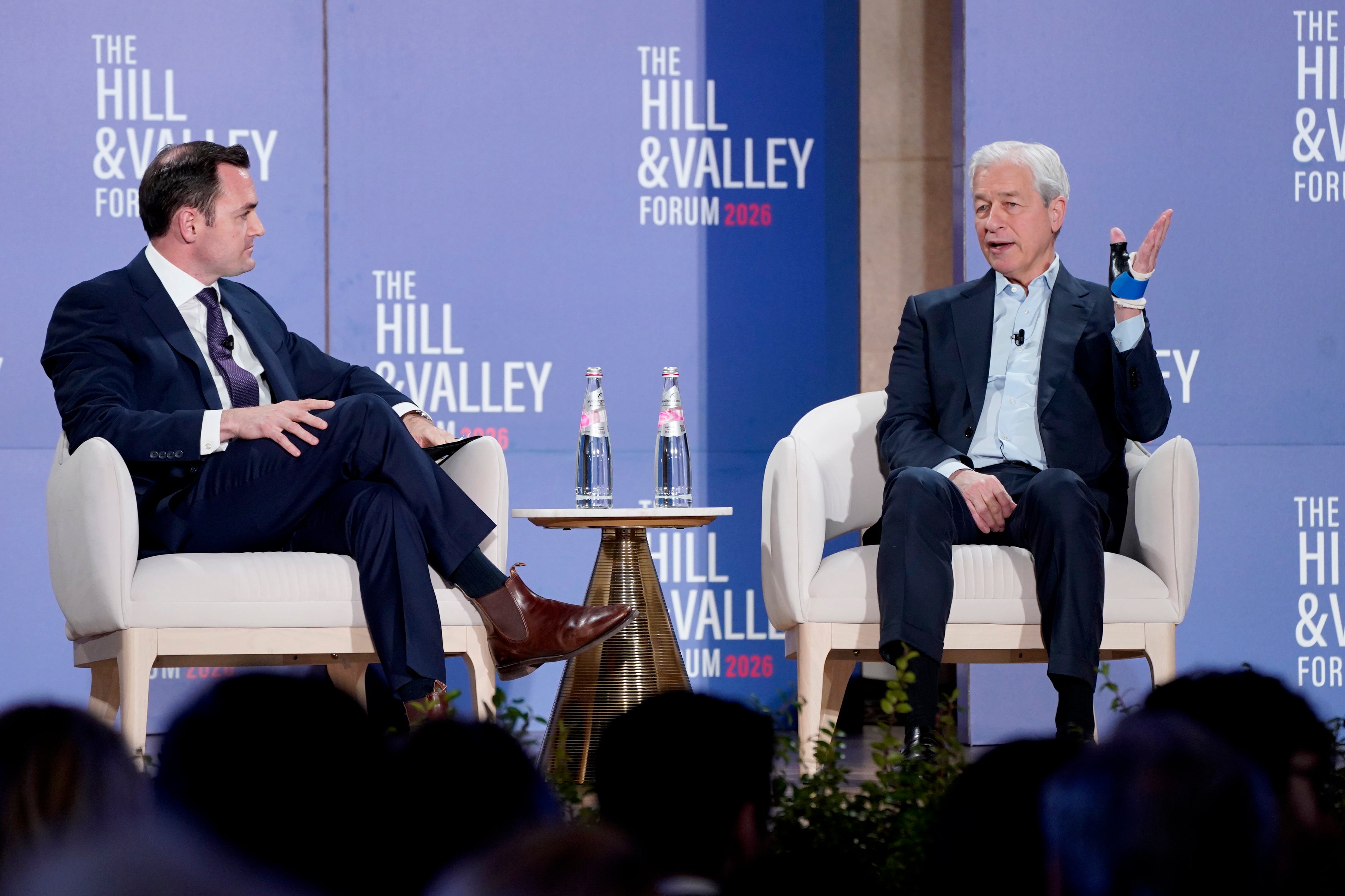
The source added that Dimon would transition to executive chairman when he eventually steps down as CEO. Analysts also do not foresee a near-term exit for Dimon.
“I do think that the path to Jamie Dimon’s ultimate retirement is lengthened a bit because the two individuals who have been identified over Marianne Lake don’t appear to have yet the broad experience that she had,” commented Gerard Cassidy, managing director at RBC Capital Markets.
Under the announced changes, Rohrbaugh will assume the role of CEO of consumer and community banking, succeeding Lake, who retires after more than 25 years with the lender. Petno will become CEO of the commercial and investment bank. Both previously served as co-CEOs of the commercial and investment bank.

JPMorgan also awarded $30 million in retention bonuses each to Petno and Rohrbaugh. Chief Operating Officer Jennifer Piepszak and Asset & Wealth Management CEO Mary Erdoes each received $20 million.
Analysts at Keefe, Bruyette & Woods said the bonuses, which are tied to specific performance targets, suggest the bank is seeking to retain its current leadership team.
According to a separate source familiar with the matter, the bank intended to select two of the three executives—Lake, Petno, and Rohrbaugh—for the co-president roles. Lake reportedly retired after failing to secure one of these positions. Lake did not respond to a request for comment.

Wells Fargo analyst Mike Mayo suggested that Jennifer Piepszak, who withdrew herself from consideration last year, Chief Financial Officer Jeremy Barnum, or even an external candidate, should not be ruled out as future CEO contenders. JPMorgan shares closed up 1.7% following the announcements.
In the short term, Petno holds an advantage over Rohrbaugh due to greater familiarity with investors and having led several businesses, the source familiar with the matter noted. However, Rohrbaugh might gain a longer-term advantage by running the consumer business, given his experience in investment banking and trading.
Mayo concurred, stating, “In the short term, Petno has a slight edge because he is more experienced and better known to the investors, but Rohrbaugh is being given the consumer business, which gives him a wider range of experience.” On the betting platform Kalshi, Petno currently has a 25% chance, Rohrbaugh 23%, and Piepszak ranks third with 14%.
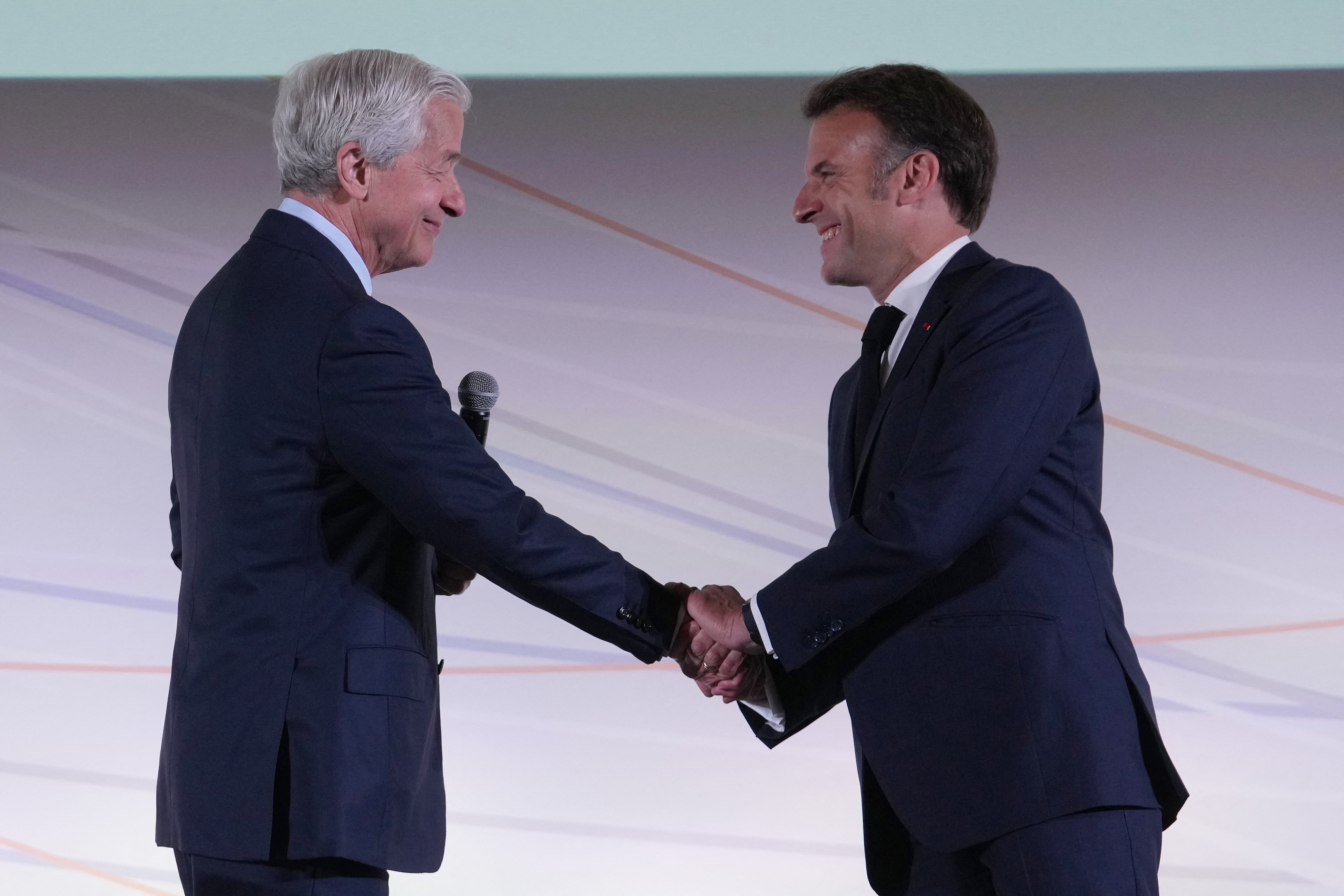
The source also highlighted that Petno and Rohrbaugh possess commercial and investment banking experience that Lake, who served as the bank’s CEO of consumer lending and chief financial officer, did not.
This leadership shakeup unfolds against the backdrop of an often unclear exit timeline for Dimon, who became JPMorgan’s CEO in January 2006 and assumed the chairman role a year later.
In 2024, Dimon envisioned an exit in less than five years. Earlier this year, he stated he wanted to stay on for at least five more years, a comment his spokespeople later dismissed as a joke. In February, he reiterated that he would remain CEO for a few more years.
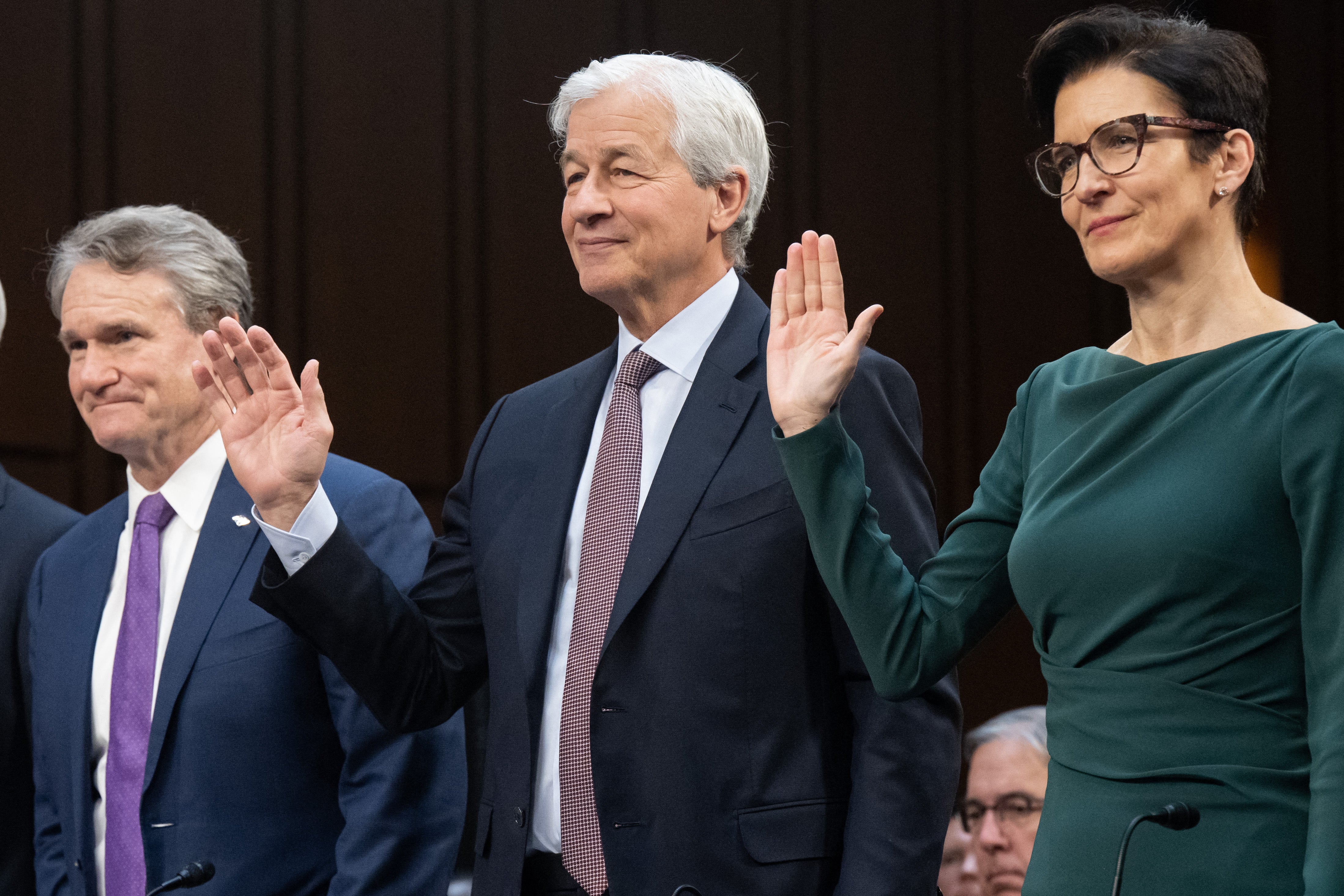
Dimon has consistently stated that the board prioritizes succession planning. Yet, numerous bank executives have departed the firm during his tenure to take senior roles at other institutions.
This approach contrasts with Morgan Stanley’s succession planning, where CEO Ted Pick and two other executives considered for the top job each received $20 million bonuses.
A key distinction, according to one person with knowledge of that process, was that former CEO James Gorman had explicitly announced his plans to step aside. Cassidy at RBC noted that Dimon’s lack of urgency about retiring has affected staff.
“People have left JPMorgan over the years, and they’ve replaced the folks who thought they were going to be Jamie Dimon’s heir apparent and realized he wasn’t ready to retire.
