
Saks Global exits bankruptcy but faces tough fight to regain luxury shoppers
-
- 1

Saks Global has emerged from bankruptcy after shedding stores and refocusing its business on high-end luxury retail, but the company now faces a major test: winning back shoppers in a weakened luxury market.
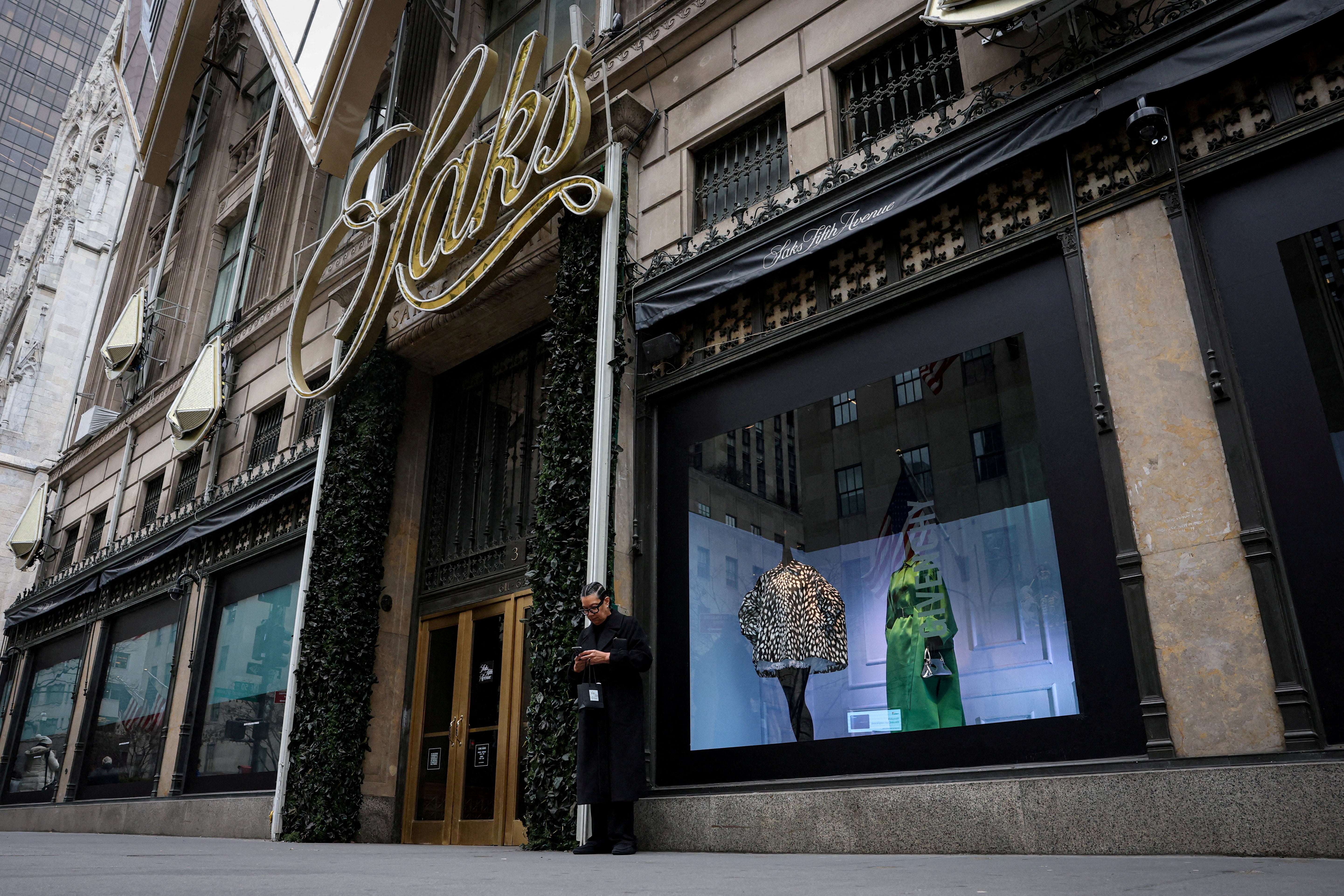
The retailer, now renamed Exemplar Luxury Group, was formed in 2024 through a debt-heavy merger that brought together Saks Fifth Avenue, Neiman Marcus, and Bergdorf Goodman, three long-established names in American luxury retail. Saks Fifth Avenue dates back to 1867, when it was founded by retail pioneer Andrew Saks.
Despite its heritage, the company filed for Chapter 11 bankruptcy in January after months of delayed vendor payments and strained inventory relationships. It says it has now stabilized its finances and is positioned for recovery.
As part of its restructuring, Saks has more than halved its store footprint and exited much of its off-price business, concentrating instead on its most profitable luxury locations. The company says the streamlined model is designed to support long-term growth, including a projected 7% annual revenue increase between 2027 and 2030.
However, industry experts say the path forward remains uncertain. Mark Cohen, former director of retail studies at Columbia Business School, said luxury brands increasingly prioritize their own stores for top products, limiting what department stores like Saks can offer.
He also pointed to strong competition from rivals such as Nordstrom and Bloomingdale’s, which have gained ground during Saks’ financial troubles.
“The Saks-Neiman network has to start demonstrating positive sales,” Cohen said, adding that recovery forecasts appear overly optimistic.
As part of its restructuring, Saks reduced its debt by about 75% to roughly $1.2 billion, wiping out shareholders including Amazon and transferring control to senior lenders. The company also ended its e-commerce partnership with Amazon during the bankruptcy process.
Court filings and sources familiar with the process indicate that major luxury brands received more favorable treatment during the restructuring, including payouts on pre-bankruptcy claims, while smaller vendors were often left unpaid. Saks says nearly half of the vendors offered recovery on pre-petition claims were small or independent brands.
Some vendors say they are still owed money. One supplier reported losing more than $20,000 in unpaid invoices and said he has given up hope of being repaid.
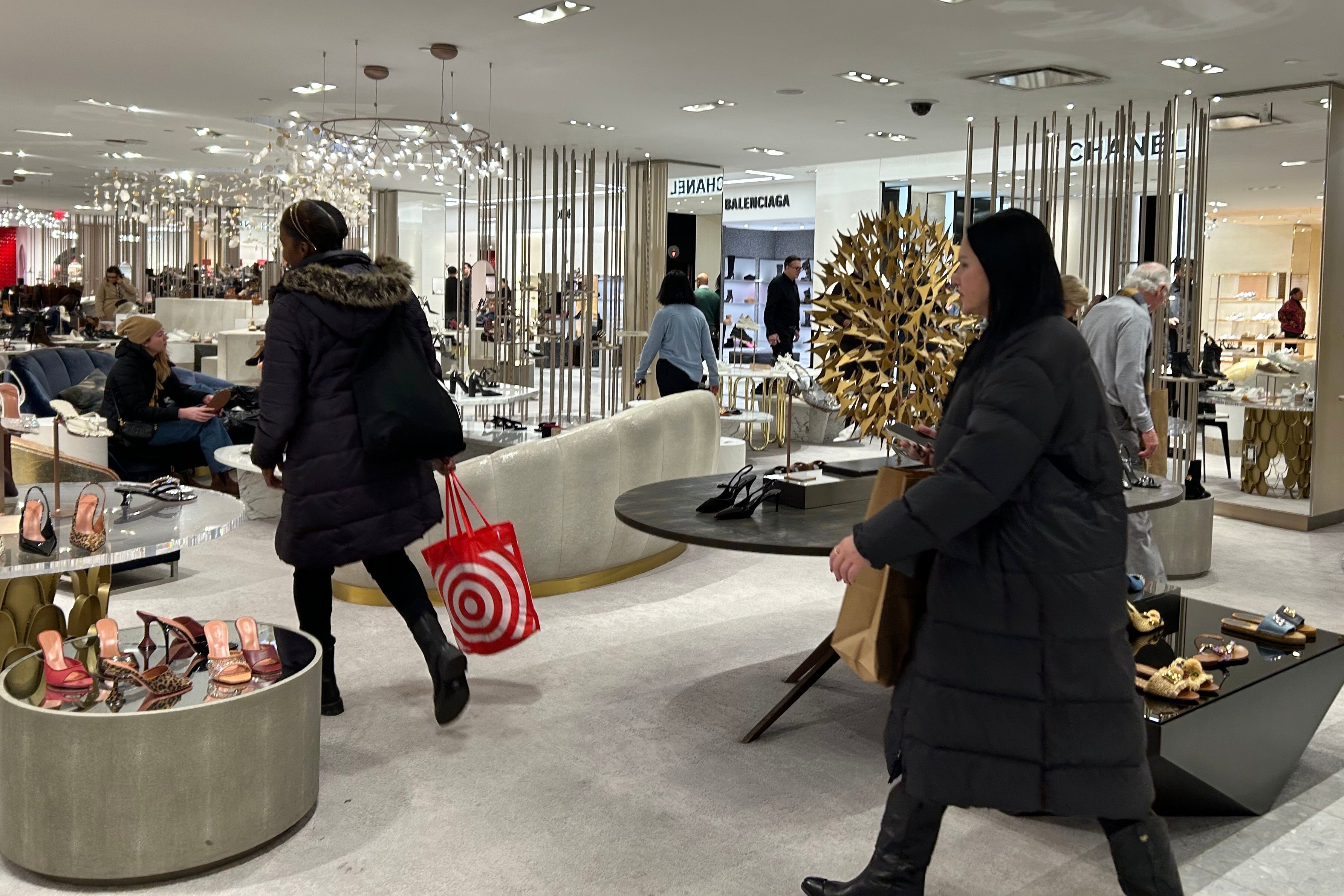
Despite the tensions, Saks is leaning further into its luxury focus. The company maintains hundreds of concession and consignment agreements that allow brands to operate within its stores or to retain ownership of goods until sold. Some smaller labels are now seeking similar arrangements to secure shelf space.
Wholesale remains the backbone of Saks’ business, accounting for about 75% of revenue, and the company says that share is expected to grow. A spokesperson said Saks will continue prioritizing wholesale partnerships while working closely with brands on strategy.
Still, analysts warn the model may favor larger luxury houses with more leverage and capital, potentially squeezing emerging designers.
“It’s not a fair system,” said Thomai Serdari, a luxury strategist and marketing professor at NYU’s Stern School of Business. “It favors brands that have more capital available.”
As Saks attempts to reset after bankruptcy, its challenge is no longer survival — but proving it can compete in an increasingly difficult luxury landscape.
